With AI advancing so quickly, it can be difficult to keep up with the latest developments, let alone understand what they could mean for organisations in the years ahead.
Futurologist speakers use research and strategic foresight to look at signs of change across technology, business and society. They explore how these areas connect, where developments could lead and how organisations can prepare for different possibilities.
As AI takes on more sophisticated tasks and becomes capable of acting with greater independence, the questions around where it may have the greatest impact are changing too. Here are three shifts futurologists are keeping an eye on.
1. How AI Agents Could Change the Customer Journey
AI agents are beginning to play a bigger role in how people research products and services. Some can compare options, move between websites or apps, and carry out parts of a task on someone’s behalf.
As these tools become more useful, they could start influencing more of the decisions made before someone reaches a company directly. A customer may still visit a website or app, but an AI agent could help determine which options they come across and what information is used to compare them.
For organisations, a few areas are worth keeping an eye on:
- Discovery: Information about a product or service may need to be easy for AI systems to find and understand, rather than just easy for people to find online.
- Comparison: AI agents may weigh factors such as price, availability, policies or product details differently from someone browsing on their own.
- Customer relationships: Some research that currently happens directly with a brand could take place through an AI assistant instead.
How much people will be willing to hand over to AI remains an open question. Current research suggests consumers are more comfortable using AI for research and comparison than allowing it to make purchases independently.*
This could mean companies need to think about two audiences at once: the customer making the decision and the AI system helping them make it.
2. How AI Is Becoming More Connected to the World Around Us
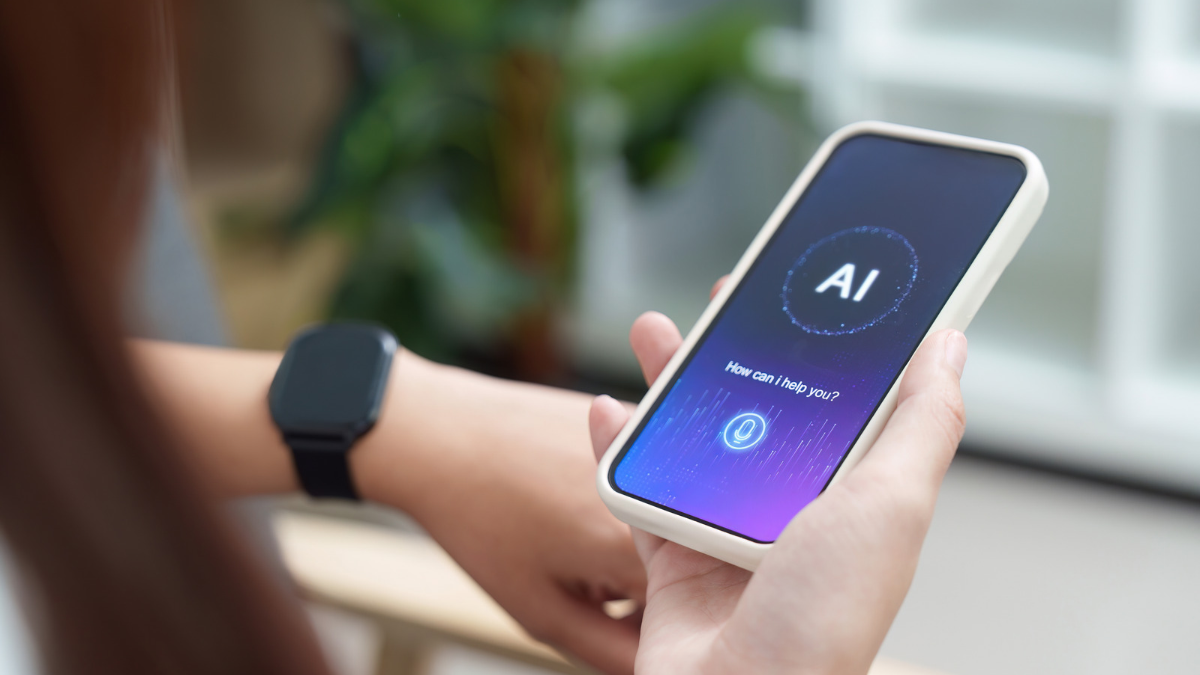
For most people, interacting with AI still means opening an app, typing a prompt or asking a question. Futurologists are also looking at what could change as AI becomes built into everyday devices, gathering information about the person using them and what is happening around them.
Advances in sensors and interfaces are already expanding what these systems can detect:
- Wearables could provide AI with information through signals such as movement, voice, location or biometrics.
- Brain-computer interfaces could create new ways for people to communicate with and control technology.
- Sensor-rich devices and environments could allow AI to respond to what is happening around someone in real time.
For organisations, this could open up new possibilities for products and services that respond to what a customer is doing or needs at a given moment. It also raises questions about how much personal information an AI system should be able to collect and use.
3. How AI Could Take on a Larger Role in People’s Emotional Lives
As conversational AI becomes more responsive and personalised, people may begin using it for more than work or everyday tasks. Futurologists are taking a closer look at what happens when these interactions become more personal, including when people turn to AI for emotional support, advice or companionship.
Futurologists are exploring how people may increasingly turn to AI for comfort, advice or companionship, rather than seeking these interactions solely with other people. Research suggests this is already happening, although it still makes up a relatively small part of how most people use AI.*
These systems can remember personal details and become more familiar over repeated conversations. For organisations developing them, this raises a few considerations:
- Memory and personalisation: The more a system remembers about someone, the more personal the relationship may feel.
- Emotional reliance: A product people turn to for support may play a different role from one they use to complete a task.
- Product changes: Updates to how a system responds, what it remembers or whether it remains available may matter more when users feel attached to it.
For organisations, the bigger question may be how to design these experiences responsibly when users begin treating them as something more personal than a tool.
What This Means for Your Next AI Conversation
These are just a few of the shifts futurologists are following as AI continues to develop.
For leaders looking to stay ahead of changes that could affect their organisation, futurologist speakers can help put new developments into context and explore what they could mean for future decisions.
Leading Authorities works with AI speakers and futurologist speakers who bring different perspectives to these questions. Our team can help you find someone whose expertise suits your audience and event.
To learn more or find a speaker for your next event:
- Call us at +44 20 3038 4689
- Email [email protected]
- Fill out our contact form
*Sources:
- https://www.gartner.com/en/newsroom/press-releases/2026-05-27-gartner-survey-finds-consumers-want-ai-shopping-help-but-not-ai-purchase-decisions?trk=article-ssr-frontend-pulse_little-text-block
- http://mckinsey.com/featured-insights/charts/shopping-gets-an-ai-assist
- https://www.pewresearch.org/internet/2026/06/17/americans-and-ai-2026-chatbots-smart-devices-and-views-on-impact/
FAQs:
What is a futurologist?
A futurologist uses research and strategic foresight to identify signs of change across technology, business and society. Their work explores how developments may connect and what these changes could mean for organisations in the years ahead.
What AI trends are futurologists watching?
Futurologists are following developments in AI agents, wearable technology and the growing use of conversational AI for more personal interactions. They also explore how these changes could affect organisations and the way people use technology.
How could AI agents change the customer experience?
AI agents could play a greater role in how customers research and compare products or services, and eventually make purchases. This may mean companies need to consider how both customers and AI systems find and understand information about what they offer.
What should companies be watching as AI develops?
Companies may want to look beyond advances in AI models themselves. Developments in AI agents and sensor-based technology, along with changes in how people use AI, could influence customer behaviour and the way organisations operate.
How do you choose an AI keynote speaker?
Start by considering what you want your audience to take away from the event. Some AI keynote speakers focus on business strategy and adoption, while futurologist speakers may be better suited to events exploring emerging AI trends and how organisations can prepare for what lies ahead.