Peter Conti-Brown
Associate Professor of Financial Regulation at Wharton, Expert in Banking, Central Banking, and Macroeconomics
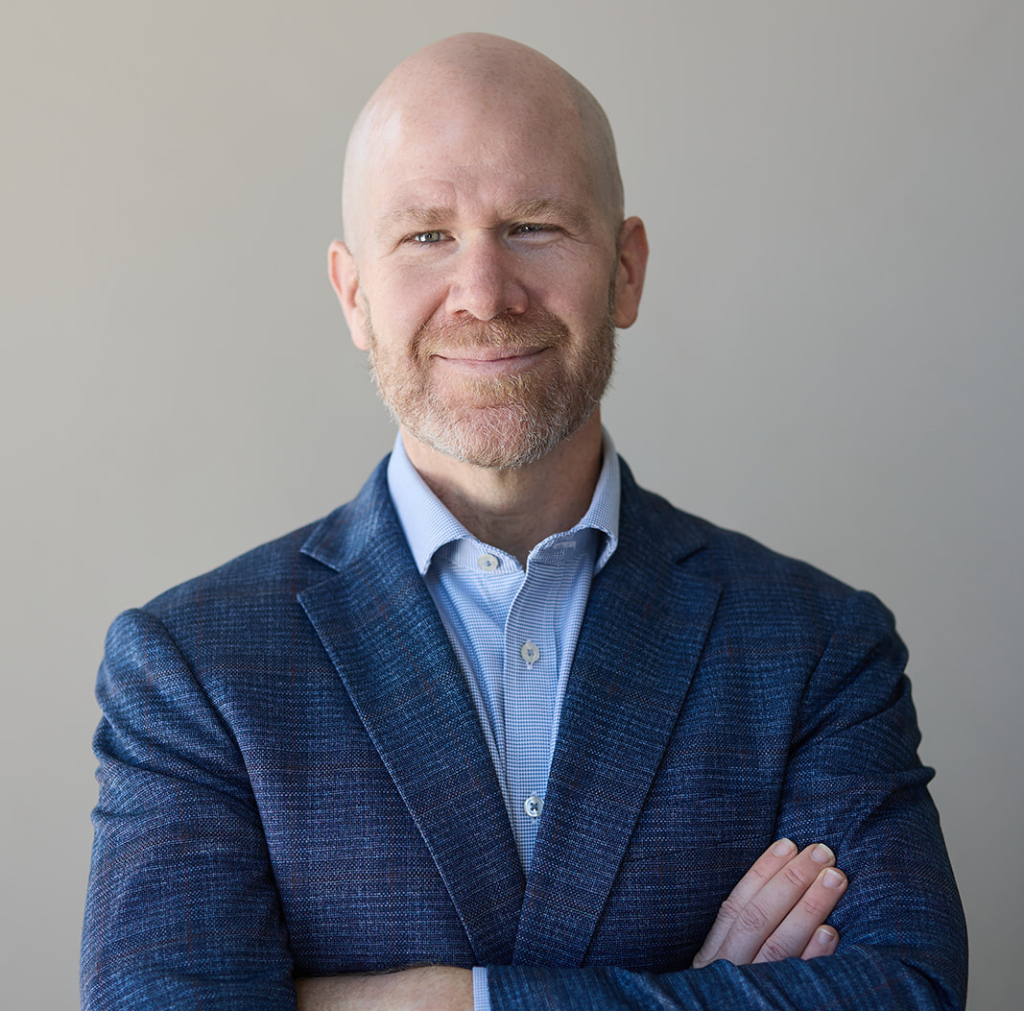
- Leading expert on the Federal Reserve and its history, policies, and future trajectory
- Author of many books on banking and central banking, including The Power and Independence of the Federal Reserve (Princeton University Press), the definitive account of the Fed’s relationship with the political branches of government
- Widely cited in academic and policy circles, consulted by policymakers from both parties on banking and central banking policy
- Author of the newsletter PCB Central, one of the most-read newsletters on banking policy
Check fees and availability for Peter Conti-Brown
About Peter Conti-Brown
Download ProfilePeter Conti-Brown helps audiences understand the powerful institutions shaping the global financial system and the decisions that influence economic stability. As the Class of 1965 Associate Professor of Financial Regulation at The Wharton School, he is widely recognized for bringing clarity to complex topics such as central banking, financial oversight, and the role of the Federal Reserve. Conti-Brown connects financial history, law, and policy to the challenges facing today’s business and policy leaders.
At Wharton, he is among the highest-rated professors and a recipient of a dozen teaching awards. Conti-Brown teaches financial history, financial regulation, and business ethics and leadership. He has delivered lectures on business ethics to thousands of senior executives around the world. His presentations equip audiences with a clearer understanding of how financial institutions operate and why their decisions matter to markets, companies, and the broader economy.
Conti-Brown is the author of The Power and Independence of the Federal Reserve and Private Finance, Public Power: A History of Bank Supervision in America, along with dozens of academic articles examining how financial institutions evolve and exercise authority. His insights on the Federal Reserve, regulation, and economic governance are frequently featured in major global news outlets and through his widely followed Substack, PCB Central.
With degrees from Harvard, Stanford Law School, and a Ph.D. in history from Princeton, Conti-Brown offers audiences perspective on how financial systems develop and how leaders can navigate the forces shaping modern markets.
Speech Topics
Download TopicsThe U.S. economy faces a set of structural pressures — debt, demographics, technological disruption, geopolitical fragmentation, political instability — that will define the next decade. This talk puts today’s headlines in historical context and offers a framework for thinking about what comes next.
Fed Chair Jay Powell retires from central banking after fighting a pandemic, a president, a banking crisis, and the worst inflation since the 1970s. He leaves the Fed in a place of intellectual and policy uncertainty at a time of dramatic upheaval. This talk draws on deep historical expertise to explain how the Fed works in good times, how it works in bad, and where it is likely to go during a period of global political and economic instability.
The 2024 presidential election ushered in many changes for politics, economics, and global affairs. None is more dramatic than the changes afoot in the way the US thinks about bank risks and who should manage them. This talk focuses on what this change is about, what opportunities it opens up for banks and other financial institutions, and how banks can future-proof their growth strategies for a time when the political tide turns again.
Stablecoins have officially arrived within the perimeter of financial institutions. What does this mean and how will money transform as a result? What will international fragmentation mean for global payments? How will artificial intelligence and large-language models in particular change the way that consumers transact within the economy? This session peers through the uncertainty to map a near- and long-term trajectory for how businesses and consumers will think about money and finance as a result of the technological upheaval that is unfolding around the globe.
Financial institutions and other organizations face overwhelming compliance costs for a system of anti-money laundering that no sensible person can defend. This session discusses how changes in the AML/KYC systems can revolutionize compliance costs and customer identification in ways that permits financial institutions to choose their risks and map their business plans in ways that can prevent money laundering (and compliance headaches) without becoming stuck in compliance costs without end.
Big Ideas in 24 Hours
Our veteran team is standing by to help with big ideas and real perspective. Call us at +44 20 3038 4689, email us at [email protected], or click below for a custom speaker proposal.
Similar Speakers
 LAI Exclusive
Marci Rossell
Expert Economic Forecaster, Former Chief Economist for CNBC and Co-Host of Squawk Box
 LAI Exclusive
Christy Goldsmith Romero
Former CFTC Commissioner, Expert in Financial Regulation, the Economy, & Risk Management
 LAI Exclusive
Matthew Slaughter
Dean of the Tuck School of Business at Dartmouth, Former Member of the White House Council of Economic Advisers