LAI Exclusive
Poppy Crum
Expert in AI, Technology-Driven Innovation, & Human Performance; Stanford University Adjunct Professor; Futurist; Neuroscientist; and Technologist

- Prepares organizations to stay ahead of the future by leveraging human-centric AI innovation, grounded in neuroscience research
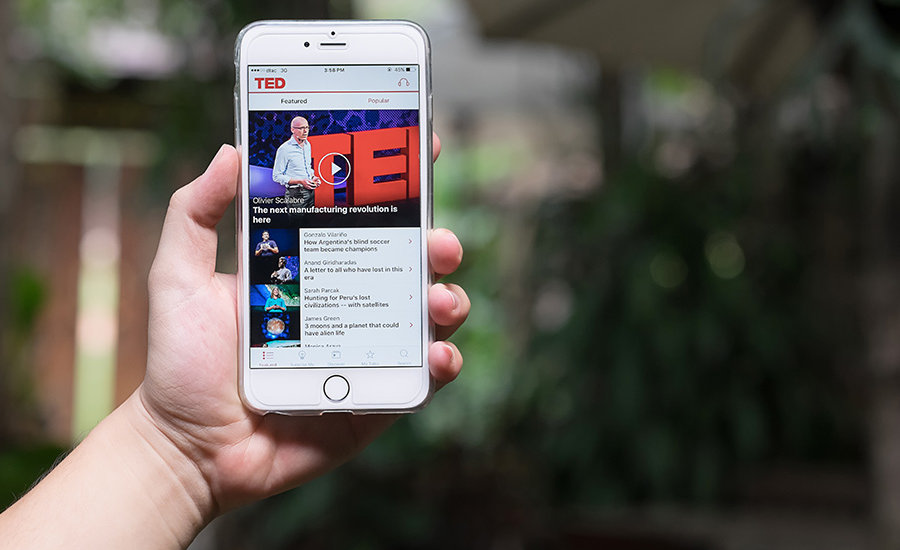
- TED Talk on empathetic technology has over 1 million views, inspiring global audiences
- Engaging presentations based on research and case studies reveal how AI is reshaping brains, workplaces, and daily life
Check fees and availability for Poppy Crum
About Poppy Crum
Download ProfileWhat was the last phone number you memorized? Decades ago, this skill was second nature, yet today, we outsource it entirely to our devices—a shift that has physically altered our brains. As technology automates more of our cognitive processes, our brains adapt and fundamentally change how we think and process information. Dr. Poppy Crum’s groundbreaking research sits at this critical intersection, with a particular emphasis on the next frontier to reshape our neural pathways: AI. Poppy’s work reveals how the AI transformation is not just technological—it’s deeply human, redefining how we live, work, and connect.
In her eye-opening presentations, Poppy unpacks AI’s profound influence on our brains, using compelling industry examples to illustrate how this technology will drive change. As AI becomes a standard tool across sectors, organizations must learn to navigate and adapt to this new reality. Poppy explains how to efficiently leverage human-AI collaboration, identify gaps in skillsets, and ensure employees maintain critical thinking and decision-making abilities. This proactive approach positions industries to harness AI’s transformative potential while preserving the human touch in innovation and problem-solving. She is exclusively represented by Leading Authorities speakers bureau.
Dr. Poppy Crum is a visionary leader and innovator at the forefront of artificial intelligence, machine learning, and human-computer interaction. As the Chief Scientist at Dolby Laboratories for over a decade, she pioneered technologies that leveraged human physiology to enhance digital experiences. Later, as CTO of Trimble, Inc., she developed groundbreaking solutions connecting the physical and digital worlds. Now Poppy is the founder of Goby Technologies, a consultancy for product and platform innovation with clients like Google and Universal Music Group, and she also serves as Managing Director at the venture fund Giant Step Capital, investing in space and deep tech innovations with the potential to transform entire industries. She has transitioned from leading breakthrough innovation inside major companies to investing in and advising the next generation of organizations defining the future.
She holds numerous patents, chairs global technology standards committees, and has collaborated with organizations such as DARPA and the Consumer Technology Association. A recipient of multiple prestigious awards, including the 2021 Hedy Lamarr Award for Innovation in Entertainment and Technology and the 2018 Lumiere Technology Leadership Award, she has been recognized as one of Billboard magazine’s 100 most influential female executives in the music industry. Her TED Talk on empathetic technology has garnered over one million views, and she is a sought-after speaker at events like SXSW. Through her unparalleled industry expertise, Poppy continues to guide some of the world’s most innovative organizations in aligning cutting-edge technology with human potential.
Video Gallery
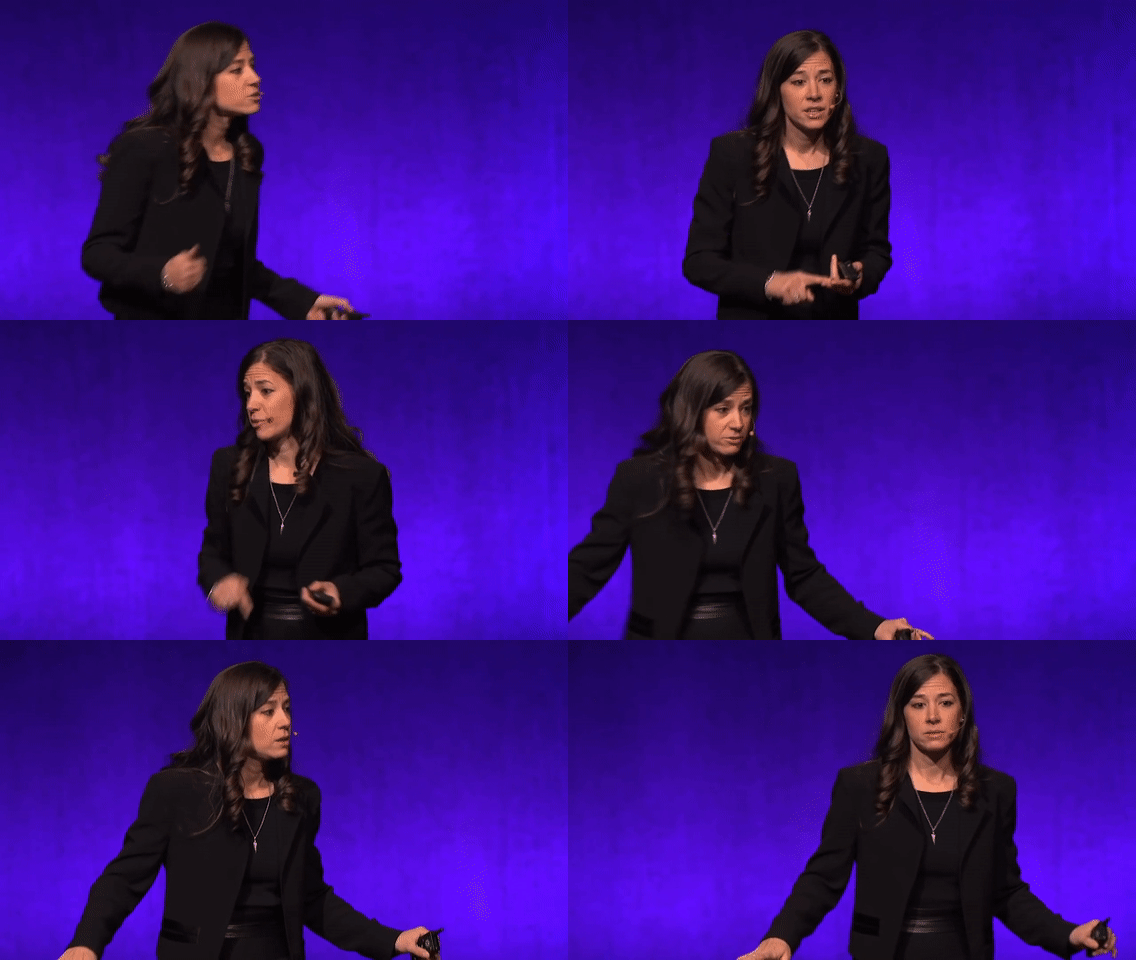
Dr. Poppy Crum: How Humans Will Evolve with Technology

Poppy Crum: Technology Knows What You're Feeling | TED
Dr. Poppy Crum: How Humans Will Evolve with Technology
Poppy Crum: Technology Knows What You're Feeling | TED
Speech Topics
Download TopicsAI is not only transforming industries but also fundamentally reshaping how our brains function, thanks to neuroplasticity—the brain’s ability to adapt to new tools and technologies. From automating tasks like navigation and decision-making to revolutionizing workplaces with digital twins, AI is redefining industries across sectors like healthcare, automotive, and entertainment.
By forecasting how these changes will unfold, organizations can close skill gaps, train their workforce, and navigate the human-AI relationship more effectively. This speech explores the science behind these shifts, the opportunities they bring, and how businesses can strategically prepare for an AI-driven future that remains profoundly human-centric.
Digital twins are virtual replicas of physical systems. These tools are revolutionizing how industries design, optimize, and innovate. This speech explores the transformative potential of digital twins across sectors, from improving human experiences in automotive design and retail to enhancing operational efficiency in healthcare and manufacturing.
By harnessing real-time data, predictive analytics, and AI-driven insights, digital twins enable organizations to simulate, forecast, and adapt like never before. We’ll delve into how this technology is not only reshaping workflows but also redefining the human role in innovation, offering a roadmap for businesses to thrive in this new era of interconnected physical and digital realities.
AI is reshaping our world, but its most profound impact lies in how it interacts with us as humans. Beyond efficiency and automation, AI affects our cognitive processes, behaviors, and even our sense of identity. This talk explores the human dimensions of AI—how it leverages neuroplasticity to change how we think, how digital twins reflect and enhance human experiences, and how it redefines roles in the workplace.
By focusing on the relationship between humans and AI, Dr. Poppy Crum uncovers strategies to ensure that as technology evolves, it complements and enhances our humanity, fostering innovation without losing the irreplaceable value of the human touch.

Related Links
Podcast: Enhance Your Learning Speed & Health Using Neuroscience Based Protocols
Read
AI Is Rewiring Our Brains—And That’s Not Just Hype
Read
Dr. Poppy Crum speaks at OpenText World 2020
Read
Poppy Crum on the path from music through neuroscience to technology
Read
AI's Next Act: Empathetic Tech
Read
When the walls can talk – space is the next frontier in personalization
Read
TV Technology's 2020 'Watch List: Poppy Crum
Read
How Artificial Intelligence Might Change The Way Hollywood Tells Stories
Read
Podcast: What Happens When Computers Learn to Read Our Emotions?
Read
New Exclusive Female Tech Speaker With TED Talk: Dr. Poppy Crum
Read


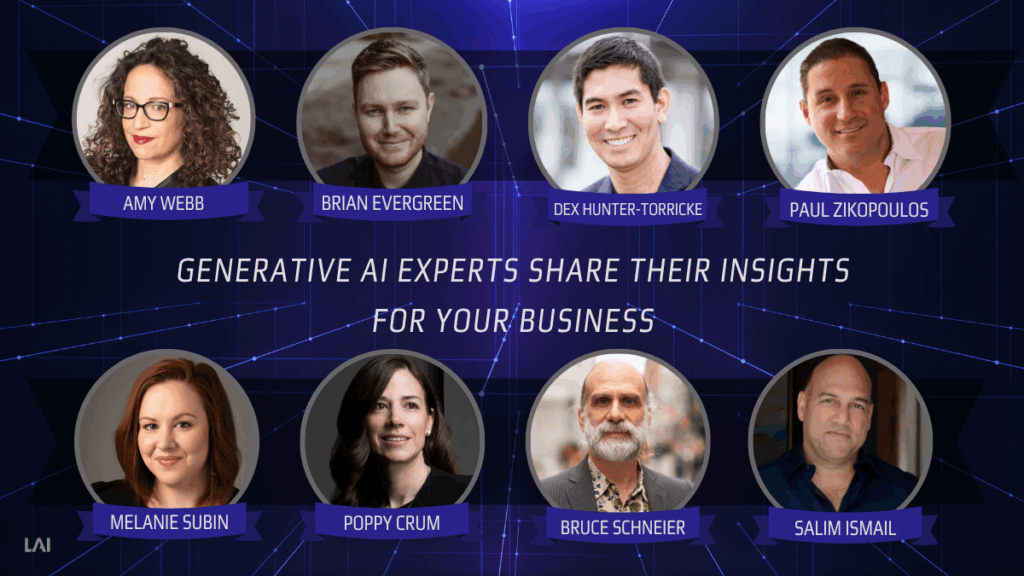











Enhance Your Learning Speed & Health Using Neuroscience Based Protocols | Dr. Poppy Crum
Watch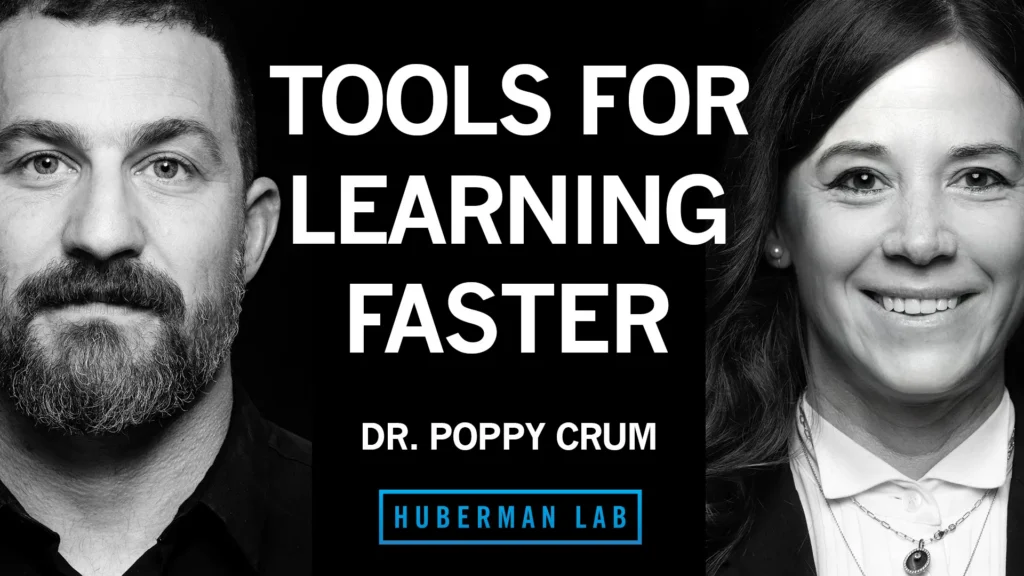
Big Ideas in 24 Hours
Our veteran team is standing by to help with big ideas and real perspective. Call us at (855) 827-9635, email us at [email protected], or click below for a custom speaker proposal.
Similar Speakers
 LAI Exclusive
Jessica O. Matthews
CEO of Lived Labs, Innovator and Social Entrepreneur, Trailblazing Energy Advocate
 LAI Exclusive
Amy Webb
World-Renowned Futurist; Founder & CEO of the Future Today Strategy Group and Professor, Strategic Foresight at New York University Stern School of Business

Neil Jacobstein
Artificial Intelligence and Exponential Technology Expert
 LAI Exclusive